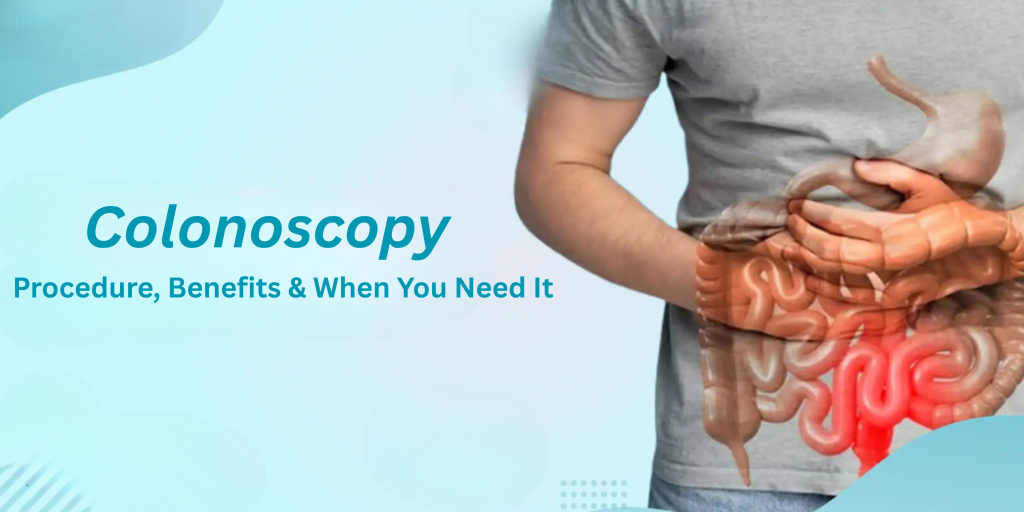
Colonoscopy: A Gastroenterologist’s Experience, Benefits & When It Becomes Necessary
As a gastroenterologist, colonoscopy is one of the most commonly discussed and most feared procedures in my daily practice. Many patients walk into my clinic anxious, even before hearing the word completely. Some whisper it. Some avoid it altogether.
Over the years, I have realized that people are not afraid of the procedure itself they are afraid of the unknown.
I still remember a patient who postponed a colonoscopy for almost two years despite repeated symptoms of bleeding and altered bowel habits. When he finally agreed, the procedure revealed an early-stage growth that could be treated immediately. That day reminded me why a timely colonoscopy can quietly save lives.
Understanding Colonoscopy from a Doctor’s Perspective
Colonoscopy is a diagnostic procedure that allows us to examine the inner lining of the large intestine (colon) using a flexible camera.
From a gastroenterologist’s point of view, it is not merely a test, it is one of the most powerful tools we have to:
- Detect early colon cancer
- Identify polyps before they turn dangerous
- Evaluate chronic abdominal pain
- Investigate blood in the stools
- Diagnose inflammatory bowel disease
Many serious digestive diseases show very mild symptoms in the early stages. Colonoscopy helps us identify them before complications develop.
Benefits of Colonoscopy
In my clinical experience, the biggest benefit of colonoscopy is early detection.
Some key advantages include:
- Accurate diagnosis of colon-related problems
- Removal of polyps during the same procedure
- Prevention of colorectal cancer
- Clear understanding of unexplained digestive symptoms
- Peace of mind for patients after normal results
Often, patients tell me after the procedure,
“Doctor, I should have done this earlier.”
When Do You Actually Need a Colonoscopy?
A colonoscopy may be advised if you experience:
- Blood in stools
- Persistent constipation or diarrhea
- Unexplained weight loss
- Long-standing abdominal pain
- Family history of colon cancer
- Age above 45–50 years as a screening test
Delaying evaluation can sometimes allow a treatable condition to progress silently.
A Message I Share With My Patients
Colonoscopy is not something to fear; it is something that protects you.
The procedure is usually painless, done under sedation, and patients return home the same day. What matters most is not the discomfort you imagine, but the clarity it provides.
As gastroenterologists, we often see how a simple test done at the right time can prevent years of suffering.
Final Thoughts from a Gastroenterologist
Through this blog, I share my experience to remove fear and replace it with understanding. Colonoscopy is not about expecting bad news it is about ensuring good health before problems arise.
If this blog encourages even one person to seek timely evaluation, it has fulfilled its purpose.
Leave a Reply